
Drakensberg Midlands
Basic information
Sample name: Drakensberg Midlands
Reference: T. Ramesh and C. T. Downs. 2015. Impact of land use on occupancy and abundance of terrestrial mammals in the Drakensberg Midlands, South Africa. Journal for Nature Conservation 23:9-18 [ER 1748]
Geography
Country: South Africa
State: KwaZulu-Natal
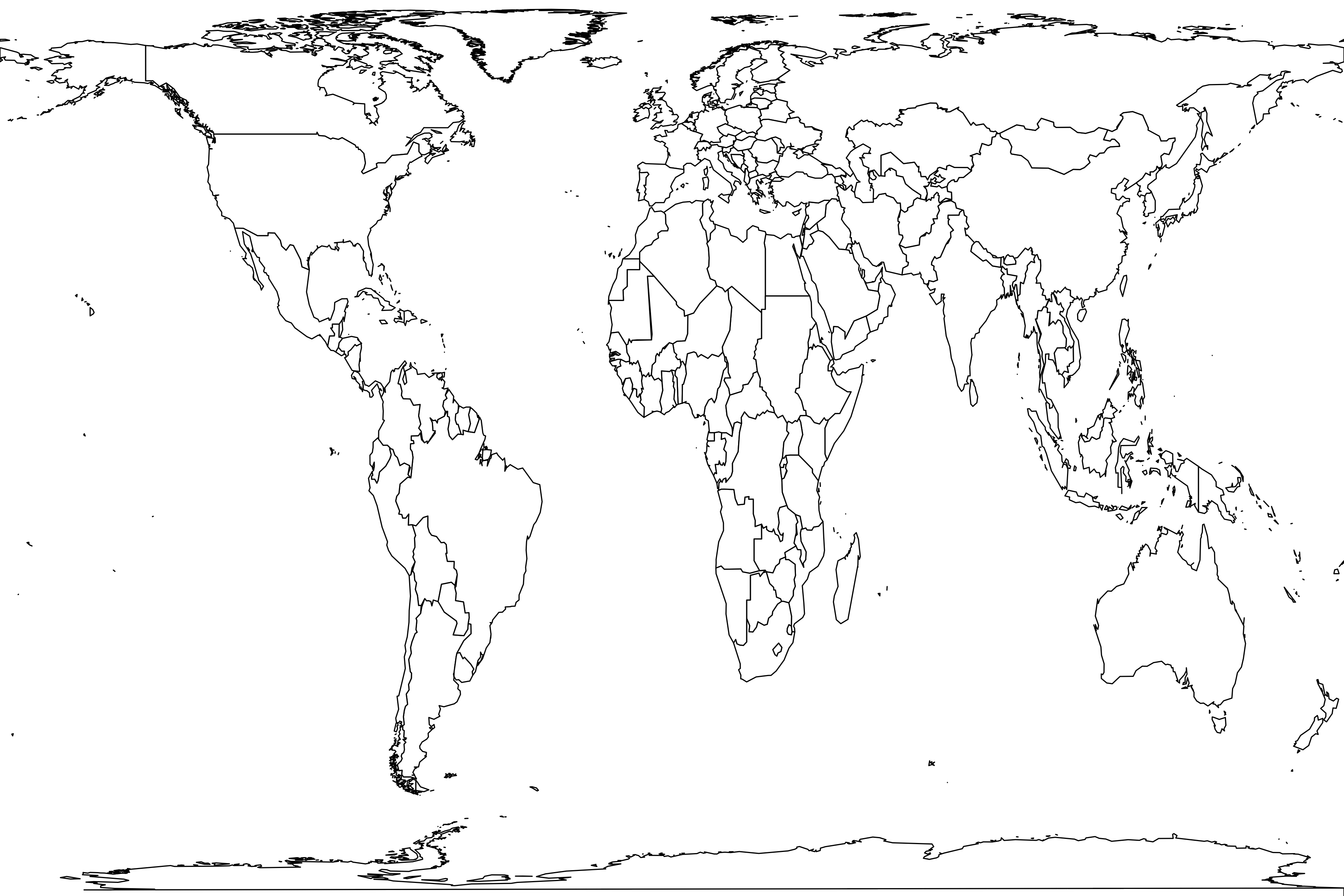
Coordinate: 29° 19' S, 30° 51' E
Latlng basis: stated in text as range
Geography comments: "Our study was conducted in Fort Nottingham (Site A), Khamberg (Site B) and Mooi River (Site C)"
Environment
Habitat: tropical/subtropical savanna
Altered habitat: cropland
Substrate: ground surface
WMT: 31.8
CMT: 9.2
MAP: 975.0
Habitat comments: original vegetation is shown to be "grassland" in Fig. 1, but the sites are on farms and "The main land uses in this region are dairy production using indigenous grassland pasture, seed potatoes Solanum tuberosum and maize Zea mays"
climate data are for Fort Nottingham in the Drakensberg Midlands and are from Ramesh and Downs (2014, J Ornith)
climate data are for Fort Nottingham in the Drakensberg Midlands and are from Ramesh and Downs (2014, J Ornith)
Methods
Life forms: carnivores, primates, rodents, ungulates, other large mammals, other small mammals
Sites: 3
Site area: 113200.0
Sampling methods: no design, automatic cameras
Sample size: 3319 captures or sightings
Years: 2012, 2013
Nets or traps: 15
Net or trap nights: 1320
Camera type: digital
Cameras paired: no
Trap spacing: 1.7
Basal area status: not applicable
Sampling comments: "The minimum convex polygon size of the camera survey areas was 43.2km2 for A and 35km2 for both B and C... we conducted camera trapping survey between October 2012 and January 2013 using a systematic grid 2 km2 covering all three different sites varied in land use patterns at 44 locations. We did not have large number of traps (15 traps)... Each grid had a minimum of one camera trap site with mean inter-trap distance of 1.7km Each camera was operated for 30 days amounting to a total effort of 1320 trap nights... surveys used fixed [Camera LtI Acorn 6210MC digital] cameras... left to operate for 24 h a day"
Metadata
Sample no: 1950
Contributor no: John Alroy
Enterer: John Alroy
Created: 2016-01-20 11:22:00
Modified: 2016-12-15 06:24:25
Abundance distribution
Each square represents a species. Square sizes are proportional to counts. Values are logged.
Statistics
26 species
5 singletons
total count 3319
geometric series index: 34.6
Fisher's α: 3.845
geometric series k: 0.7738
Hurlbert's PIE: 0.8776
Shannon's H: 2.3299
Good's u: 0.9985
Register
| Felis lybica (African wildcat) | 5 | 4.5 kg |
| Orycteropus afer (aardvark) | 6 | 40.0 kg |
| Papio ursinus (chacma baboon) | 43 | 20.0 kg |
| Canis mesomelas (black-backed jackal) | 609 | 7.9 kg |
| Tragelaphus scriptus (harnessed bushbuck) | 104 | 31.0 kg |
| Potamochoerus larvatus (bushpig) | 110 | 38.0 kg |
| Aonyx capensis (African clawless otter) | 6 | 14.0 kg |
| Lepus saxatilis | 33 | 2.0 kg |
| Caracal caracal (caracal) | 7 | |
| "Felis caracal" | ||
| Sylvicapra grimmia (common duiker) | 528 | 13.0 kg |
| Felis catus (domestic cat) | 24 | |
| Homo sapiens (human) | 403 | 64.0 kg |
| Procavia capensis (rock hyrax) | 1 | 2.8 kg |
| Genetta tigrina | 22 | 1.7 kg |
| Herpestes ichneumon (Egyptian mongoose) | 146 | 2.9 kg |
| Ictonyx striatus (striped polecat) | 2 | 753.0 g |
| Hystrix africaeaustralis | 536 | 15.0 kg |
| Redunca arundinum (southern reedbuck) | 337 | |
| Leptailurus serval (serval) | 286 | |
| Herpestes sanguineus | 1 | |
| "Galerella sanguinea" | ||
| Felis nigripes (black-footed cat) | 1 | 1.6 kg |
| Cercopithecus mitis albogularis (blue monkey) | 1 | |
| "Cercopithecus albogularis" | ||
| Hydrictis maculicollis (spotted-necked otter) | 1 | |
| "Lutra maculicollis" | ||
| Chlorocebus pygerythrus (tantalus monkey) | 13 | |
| Atilax paludinosus | 65 | 2.8 kg |
| Ichneumia albicauda | 29 | 3.4 kg |