
Serra do Japi Biological Reserve (2006/2007)
Basic information
Sample name: Serra do Japi Biological Reserve (2006/2007)
Reference: W. D. Carvalho, C. H. Adania, and C. E. L. Esbérard. 2013. Comparison of two mammalian surveys made with camera traps in southeastern Brazil, focusing the abundance of wild mammals and domestic dogs. Brazilian Journal of Biology 73(1):29-36 [ER 1777]
Geography
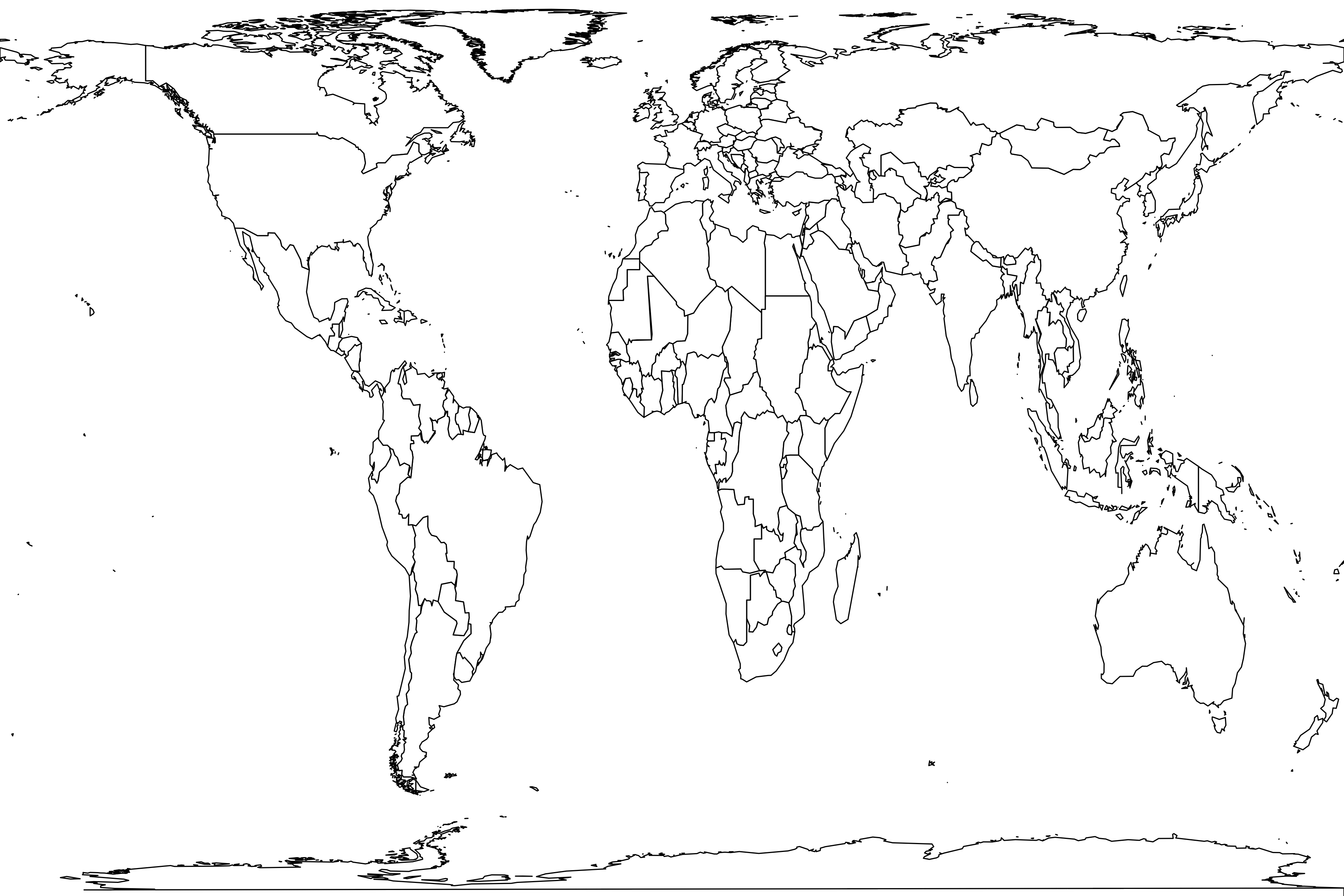
Country: Brazil
State: São Paulo
Coordinate: 23° 17' 30" S, 47° 48' 30" W
Latlng basis: stated in text as range
Geography comments: "in the municipality of Jundiaí"; it "comprises an area of 2, 071.2 ha"
elevation 700 to 1300 m
elevation 700 to 1300 m
Environment
Habitat: tropical/subtropical dry broadleaf forest
Substrate: ground surface
MAT: 19.7
MAP: 1422.0
Habitat comments: "Two climate types occur in the area: humid temperate with warm summer (Cfa) and humid temperate with mild summer (Cfb) (Setzer, 1966) and a hot and rainy season and a dry and cold season (Pinto, 1992). The average annual temperature varies from 15.7 °C to 19.2 °C, depending on the altitude... the vegetation of this region is classified as semi-deciduous seasonal forest"
climate data are for the Serra do Japi Municipal Ecological Reserve and are from Caselli and Setz (2011, Primates)
climate data are for the Serra do Japi Municipal Ecological Reserve and are from Caselli and Setz (2011, Primates)
Methods
Life forms: carnivores, rodents, ungulates, other large mammals, other small mammals
Sampling methods: no design, automatic cameras
Sample size: 85 captures or sightings
Years: 2006, 2007
Nets or traps: 7
Net or trap nights: 352
Camera type: analog
Cameras paired: no
Basal area status: not applicable
Sampling comments: surveys were "from July 2006 to February 2007, using seven [Trapa Camera] camera traps placed in seven sampling sites on trails that were already established... The cameras were programmed to remain turned on 24 h a day... The total sampling effort" was 8448 h = 352 days
Metadata
Sample no: 1981
Contributor no: John Alroy
Enterer: John Alroy
Created: 2016-01-28 13:18:03
Modified: 2016-12-16 08:34:36
Abundance distribution
Each square represents a species. Square sizes are proportional to counts. Values are logged.
Statistics
11 species
3 singletons
total count 85
geometric series index: 18.5
Fisher's α: 3.366
geometric series k: 0.7117
Hurlbert's PIE: 0.7951
Shannon's H: 1.8864
Good's u: 0.9647
Register
| Didelphis aurita (big-eared opossum) | 17 | 1.1 kg |
| Dasypus novemcinctus (nine-banded armadillo) | 1 | 4.4 kg |
| Leopardus pardalis (ocelot) | 10 | 8.4 kg |
| Puma concolor (cougar) | 1 | |
| Procyon cancrivorus (crab-eating raccoon) | 4 | 5.0 kg |
| Nasua nasua (South American coati) | 3 | 4.4 kg |
| Eira barbara (tayra) | 1 | 4.3 kg |
| Mazama gouazoubira (gray brocket) | 3 | 14.0 kg |
| Cuniculus paca | 11 | |
| Sylvilagus brasiliensis | 30 | |
| Lepus europaeus | 4 | 3.4 kg |