
Kuno Wildlife Sanctuary (good habitat area)
Basic information
Sample name: Kuno Wildlife Sanctuary (good habitat area)
Reference: D. Pawar, H. P. Nelson, D. R. L. Pawar, and S. Khanwilkar. 2019. Estimating leopard Panthera pardus fusca (Mammalia: Carnivora: Felidae) abundance in Kuno Wildlife Sanctuary, Madhya Pradesh, India. Journal of Threatened Taxa 11(5):13531-13544 [ER 3358]
Geography
Country: India
State: Madhya Pradesh
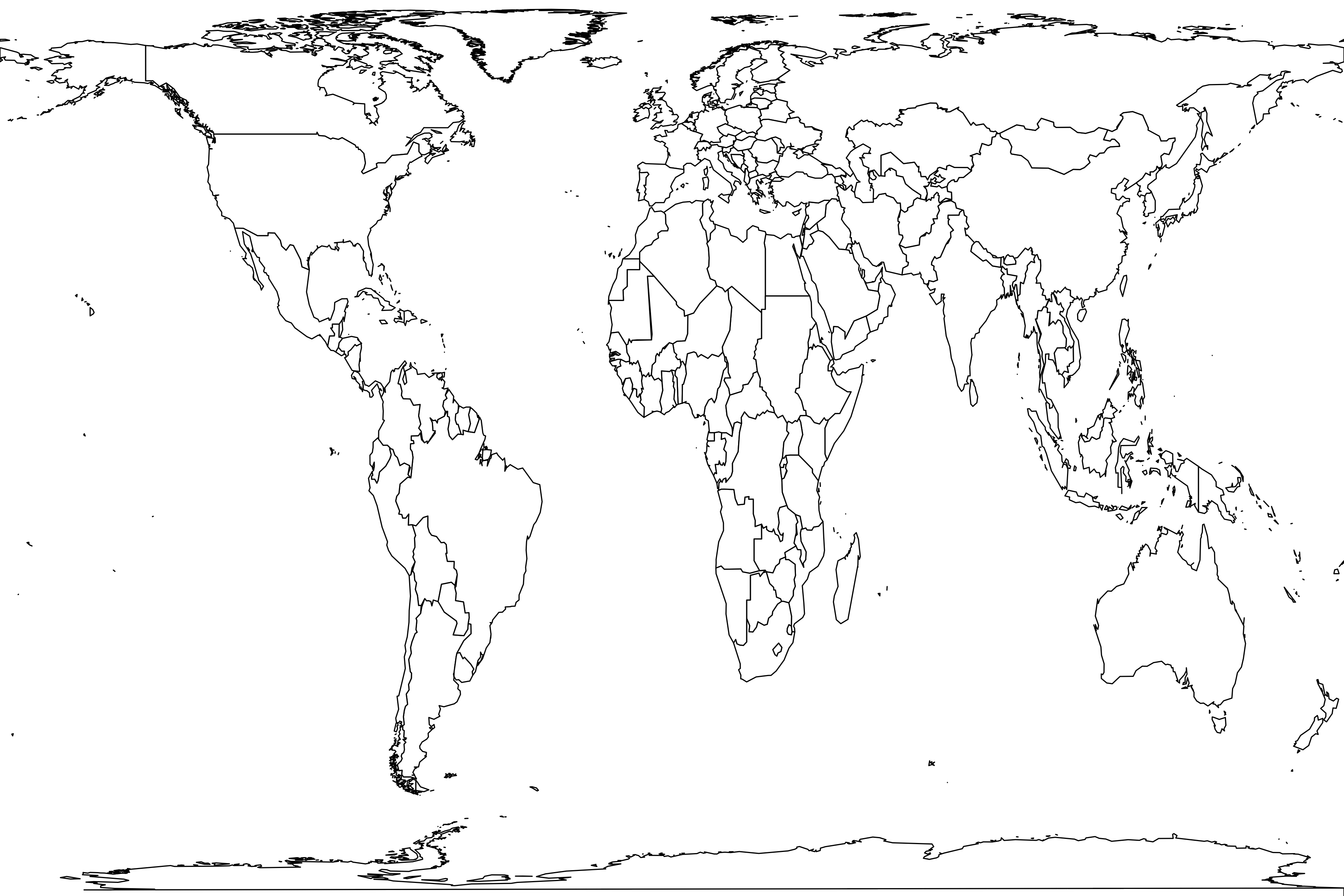
Coordinate: 26° 30' N, 74° 26' E
Latlng basis: stated in text
Geography comments: "The 345km2 Kuno Wildlife Sanctuary, established in 1981, lies between -25.500ºN and 77.433ºE longitude... It extends over the districts of Sheopur and Morena... An area of 890km2 buffer zone was added to the sanctuary later"
this apparently means 25.5º N, not south
elevation 238 to 498 m
this apparently means 25.5º N, not south
elevation 238 to 498 m
Environment
Habitat: tropical/subtropical dry broadleaf forest
Protection: wildlife protected area
Substrate: ground surface
MAP: 760.0
Habitat comments: "within the Kathiawar-Gir dry deciduous forest eco-regions... A large population of feral cattle... also roam the forests" but the reserve is currently uninhabited
Methods
Life forms: carnivores, primates, rodents, ungulates, other small mammals, birds, other reptiles
Focal species: Panthera pardus fusca
Sampling methods: no design, automatic cameras
Sample size: 1644 captures or sightings
Years: 2017
Days: 18
Nets or traps: 8
Net or trap nights: 0
Camera type: digital
Cameras paired: yes
Trap spacing: 1.875
Basal area status: not applicable
Sampling comments: "The study was conducted over a 40-day period from 18 March to 26 April 2017 during the summer season" in two areas each of "15km2", one in "poor" and one in "good" habitat
the "good" area was sampled from 21 March to 8 April
"Sixteen trail cameras... Bushnell Trophy Cam HD Aggressor No-Glow... were used... The cameras were deployed in pairs... at a height of approximately 40cm... four to six metres apart... To minimise the possibility of double counting, an interval of at least 20 minutes was taken before recording the same object again... inter-camera distances during a six-day trapping session were between 1.25km and 2.5km... trapping was conducted over two survey periods of 18 days for each habitat"
counts are otherwise apparently just of photos without a further attempt to minimise double-counting
the abstract says there were 180 trap-nights: this apparently means 30 six-day trapping sessions in separate "observation blocks" that were each about 1 km2 in area
however, the actual number of trap nights should be 8 traps x 18 days = 144
the "good" area was sampled from 21 March to 8 April
"Sixteen trail cameras... Bushnell Trophy Cam HD Aggressor No-Glow... were used... The cameras were deployed in pairs... at a height of approximately 40cm... four to six metres apart... To minimise the possibility of double counting, an interval of at least 20 minutes was taken before recording the same object again... inter-camera distances during a six-day trapping session were between 1.25km and 2.5km... trapping was conducted over two survey periods of 18 days for each habitat"
counts are otherwise apparently just of photos without a further attempt to minimise double-counting
the abstract says there were 180 trap-nights: this apparently means 30 six-day trapping sessions in separate "observation blocks" that were each about 1 km2 in area
however, the actual number of trap nights should be 8 traps x 18 days = 144
Metadata
Sample no: 3720
Contributor no: John Alroy
Enterer: John Alroy
Created: 2020-11-07 15:03:24
Modified: 2021-06-21 22:23:58
Abundance distribution
Each square represents a species. Square sizes are proportional to counts. Values are logged.
Statistics
22 species
3 singletons
total count 1644
geometric series index: 28.9
Fisher's α: 3.589
geometric series k: 0.7303
Hurlbert's PIE: 0.7563
Shannon's H: 1.9376
Good's u: 0.9982
Register
| Panthera pardus (leopard) | 12 | |
| Panthera tigris (tiger) | 2 | |
| Bos taurus (cow) | 194 | |
| Paradoxurus hermaphroditus | 1 | 2.4 kg |
| Vulpes bengalensis (Bengal fox) | 6 | 2.9 kg |
| Boselaphus tragocamelus (nilgai) | 62 | 263.0 kg |
| Gazella bennettii (chinkara) | 7 | 17.0 kg |
| Axis axis (chital) | 736 | 40.0 kg |
| Tetracerus quadricornis (four-horned antelope) | 1 | |
| Semnopithecus entellus (northern plains gray langur) | 21 | 10.0 kg |
| Mellivora capensis (honey badger) | 2 | 7.7 kg |
| Sus scrofa (pig) | 118 | |
| Hystrix indica | 21 | 13.0 kg |
| Urva edwardsii | 1 | |
| "Herpestes edwardsii" | ||
| Lepus nigricollis | 61 | |
| Canis aureus (golden jackal) | 88 | 9.9 kg |
| Felis chaus (jungle cat) | 17 | 5.3 kg |
| Cervus unicolor (sambar deer) | 42 | |
| "Rusa unicolor" | ||
| Viverricula indica | 15 | 3.0 kg |
| Hyaena hyaena (striped hyena) | 21 | 30.0 kg |
| Pavo cristatus | 214 | 4.8 kg |
| Crocodylus palustris | 2 | |