
Kiowa Rockshelter (Level 4)
Basic information
Sample name: Kiowa Rockshelter (Level 4)
Reference: D. Gaffney, G. R. Summerhayes, S. Luu, J. Menzies, K. Douglass, M. Spitzer, and S. Bulmer. 2021. Small game hunting in montane rainforests: Specialised capture and broad spectrum foraging in the Late Pleistocene to Holocene New Guinea Highlands. Quaternary Science Reviews 253:106742- [ER 3701]
Geography
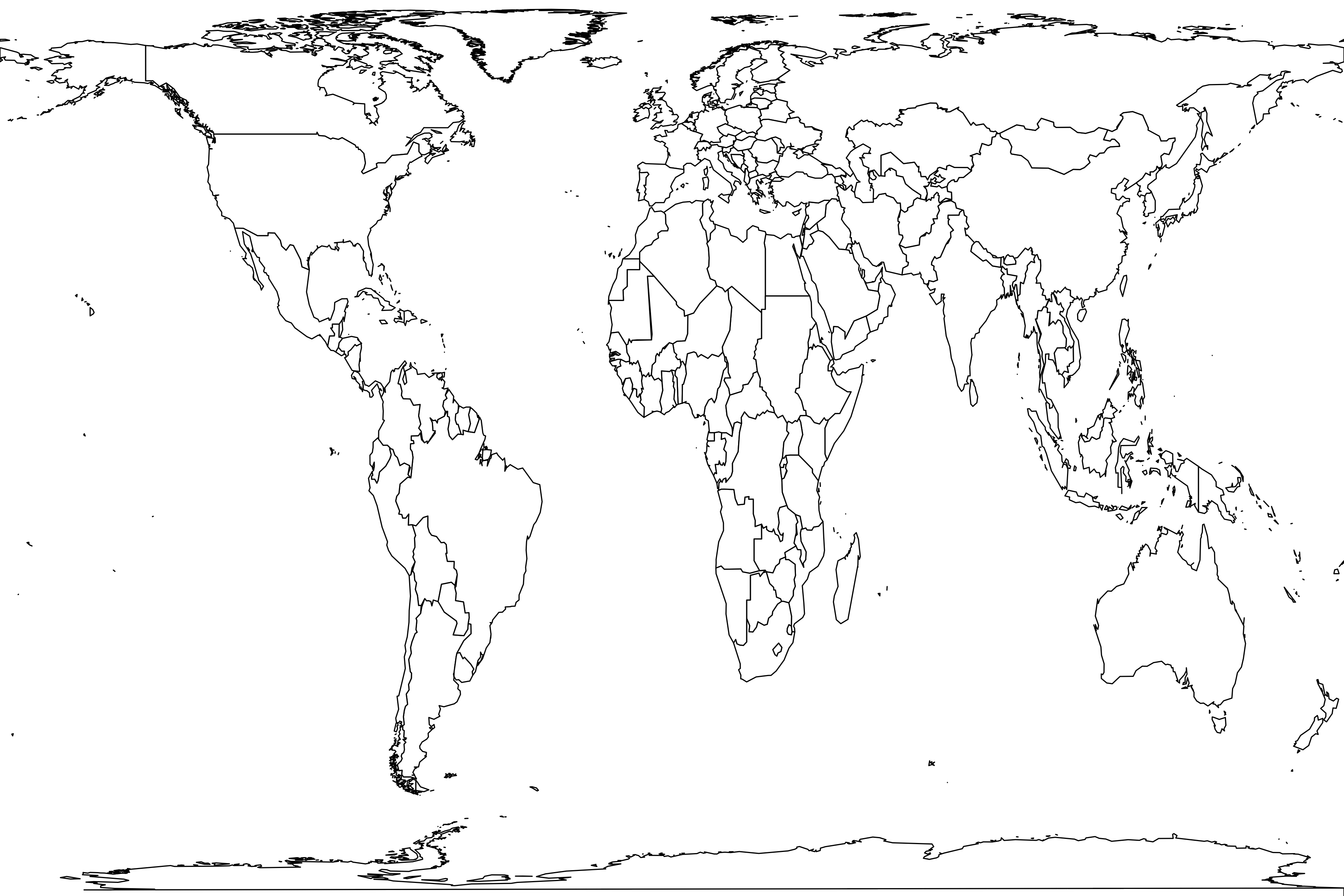
Country: Papua New Guinea
State: Chimbu
Coordinate: 6° 55' 30" S, 145° 9' 50" E
Time interval: Holocene
Section: 3701
Unit number: 2
Unit order: above to below
Max Ma: 0.006195
Min Ma: 0.006035
Age basis: radiocarbon (uncalibrated)
Geography comments: "Kiowa is an irregularly shaped limestone rockshelter, about 6 m × 5.5 m, located in Chimbu province of the Central New Guinea Highlands".
"A small tributary to the Mae River is located about 20 m from the site".
Dates for Levels 4-6 of the deposit range from 6195 ± 35 BP to 6035 ± 30 BP.
"A small tributary to the Mae River is located about 20 m from the site".
Dates for Levels 4-6 of the deposit range from 6195 ± 35 BP to 6035 ± 30 BP.
Environment
Lithology: limestone
Taphonomic context: human accumulation, rock shelter
Archaeology: bone tools, hearths, stone tools
Habitat comments: "Kiowa was first occupied during the terminal Pleistocene, with regular occupations continuing until the Mid-Late Holocene ... Level 3 represents the most recent undisturbed habitation deposit, with all underlying levels down to base of excavations characterised by radiating ash lenses, denoting short-duration hearths".
"Few bone and shell artefacts and pottery sherds were excavated from Kiowa; lithics comprise the bulk of the cultural material".
"Few bone and shell artefacts and pottery sherds were excavated from Kiowa; lithics comprise the bulk of the cultural material".
Methods
Life forms: bats, rodents, other large mammals, other small mammals, birds
Sampling methods: quarry
Sample size: 460 specimens
Years: 1960
Net or trap nights: 0
Basal area status: not applicable
Sampling comments: "During the 1960 excavations at Kiowa sieves were not used and specimens were collected by hand".
"Following excavation, all cranial and mandibular material along with worked bone, eggshell, and large bones were kept for later analysis. However, due to transportation difficulties only a small subsample of post-cranial material filling two c. 30 × 30 cm bags from each level was retained".
"Following excavation, all cranial and mandibular material along with worked bone, eggshell, and large bones were kept for later analysis. However, due to transportation difficulties only a small subsample of post-cranial material filling two c. 30 × 30 cm bags from each level was retained".
Metadata
Sample no: 3897
Contributor no: Benjamin Carter
Enterer: Benjamin Carter
Created: 2022-02-19 11:10:41
Modified: 2023-04-29 06:14:57
Abundance distribution
Each square represents a species. Square sizes are proportional to counts. Values are logged.
Statistics
25 species
5 singletons
total count 460
geometric series index: 38.3
Fisher's α: 5.671
geometric series k: 0.8024
Hurlbert's PIE: 0.7798
Shannon's H: 2.1439
Good's u: 0.9892
Register
| Dendrolagus sp. | 4 | |
| Dorcopsulus sp. | 11 | |
| Thylogale sp. | 21 | |
| Phalanger "carmelitae/vestitus" | 44 | |
| Phalanger orientalis (northern common cuscus) | 28 | |
| Phalanger gymnotis (ground cuscus) | 59 | |
| also 20 Phalanger sp. | ||
| Pseudochirulus forbesi (painted ringtail possum) | 5 | |
| Pseudochirops corinnae (plush-coated ringtail possum) | 11 | |
| Pseudochirops cupreus (coppery ringtail possum) | 10 | |
| Dactylopsila palpator (long-fingered triok) | 1 | |
| Echymipera sp. | 7 | |
| Peroryctes sp. | 2 | |
| Dasyurus albopunctatus (New Guinean quoll) | 2 | |
| Phascolosorex sp. | 2 | |
| Zaglossus sp. | 1 | |
| Macruromys major | 1 | |
| Hyomys goliath | 1 | |
| Mallomys rothschildi | 14 | |
| Uromys caudimaculatus | 2 | |
| Uromys anak | 10 | |
| Dobsonia magna | 197 | |
| Aproteles bulmerae | 3 | |
| Rousettus amplexicaudatus | 15 | 71.4 g |
| Hipposideros sp. | 1 | 8.3 g |
| also 13 Chiroptera indet. "Small bat sp." | ||
| Casuarius bennetti | 8 | 35.0 kg |
| also 3 Casuarius sp. | ||