
Enkapune Ya Muto (RBL2.2)
Basic information
Sample name: Enkapune Ya Muto (RBL2.2)
Sample aka: Twilight Cave
Reference: C. W. Marean. 1992. Hunter to herder: large mammal remains from the hunter-gatherer occupation at Enkapune Ya Muto rock-shelter, Central Rift, Kenya. The African Archaeological Review 10(1):65-127 [ER 3705]
Geography
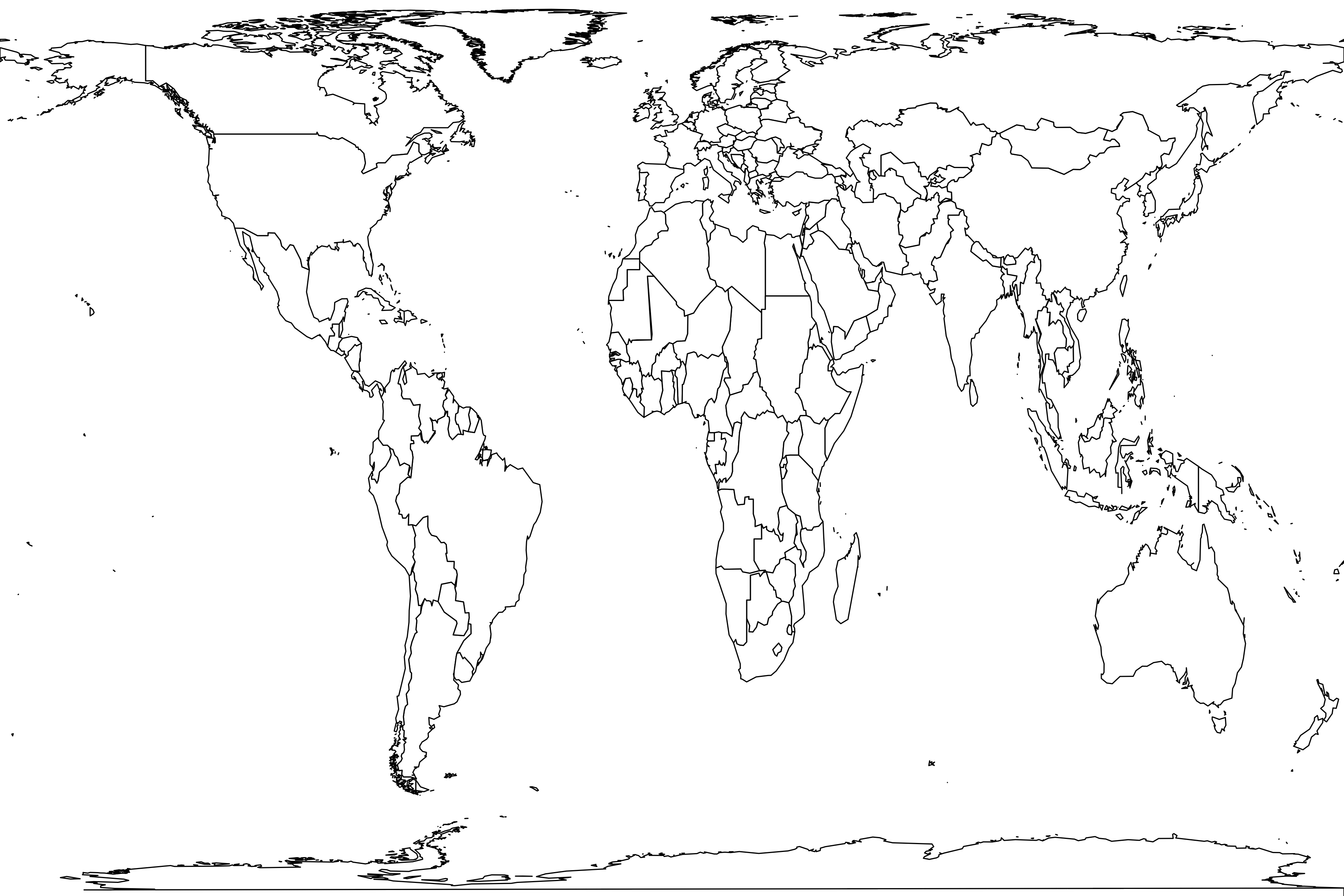
Country: Kenya
Coordinate: 1° 50' S, 36° 9' E
Latlng basis: stated in text
Time interval: Holocene
Section: 3705
Unit number: 3
Unit order: above to below
Max Ma: 0.005265
Min Ma: 0.00486
Age basis: radiocarbon (uncalibrated)
Geography comments: "Enkapune Ya Muto (EYM), also known as Twilight Cave, is a large enclosed rock-shelter located on a steep slope in a large incised gully on the eastern face of the Mau Escarpment above the Naivasha basin in the Central Rift Valley of Kenya".
Radiocarbon dates for the RBL2.2 layers range from 5265 ± 220 BP to 4860 ± 70 BP.
Radiocarbon dates for the RBL2.2 layers range from 5265 ± 220 BP to 4860 ± 70 BP.
Environment
Lithology: ash
Taphonomic context: human accumulation, rock shelter
Archaeology: stone tools
Habitat comments: "The Mau Escarpment is mostly formed of volcanic ashes and tufts with occasional outcrops of agglomerates and more heavily consolidated lavas. The stratigraphy was complex but the layers were typically distinct and horizontal".
"The six major EYM aggregates preserve various forms of evidence inconsistent with accumulations by porcupines and carnivores, indicating persistent occupation of the shelter by people".
Human accumulation of the remains is "further substantiated by the density of artefacts and the high frequencies of cutmarks on the bones". Stone tools of the Eburran industry, "characterized by geometric and non-geometric microliths produced from narrow blades of obsidian", are present.
"The six major EYM aggregates preserve various forms of evidence inconsistent with accumulations by porcupines and carnivores, indicating persistent occupation of the shelter by people".
Human accumulation of the remains is "further substantiated by the density of artefacts and the high frequencies of cutmarks on the bones". Stone tools of the Eburran industry, "characterized by geometric and non-geometric microliths produced from narrow blades of obsidian", are present.
Methods
Life forms: carnivores, primates, rodents, ungulates, other large mammals, other small mammals
Sampling methods: quarry
Sample size: 329 specimens
Net or trap nights: 0
Basal area status: not applicable
Sampling comments: "The site was excavated during the two field seasons in 18 1-m squares, placed primarily in the northern section of the rock-shelter. The depth of the deposits, over 5 m, along with a rock shelf warranted reduction of the area excavated in the deeper deposits".
Metadata
Sample no: 3916
Contributor no: Benjamin Carter
Enterer: Benjamin Carter
Created: 2022-03-07 13:12:28
Modified: 2023-05-29 23:33:30
Abundance distribution
Each square represents a species. Square sizes are proportional to counts. Values are logged.
Statistics
23 species
5 singletons
total count 329
geometric series index: 35.2
Fisher's α: 5.631
geometric series k: 0.818
Hurlbert's PIE: 0.8727
Shannon's H: 2.4263
Good's u: 0.9848
Register
| Alcelaphus buselaphus (hartebeest) | 8 | |
| Ourebia ourebi (oribi) | 19 | 14.0 kg |
| Raphicerus campestris (steenbok) | 16 | 9.7 kg |
| Redunca sp. | 34 | |
| "bohor/mountain reedbuck" | ||
| Sylvicapra grimmia (common duiker) | 83 | 13.0 kg |
| Syncerus caffer (African buffalo) | 2 | 548.0 kg |
| Tragelaphus scriptus (harnessed bushbuck) | 55 | 31.0 kg |
| also 2843 Bovidae indet. | ||
| Suidae indet. | 5 | |
| Acinonyx jubatus (cheetah) | 4 | 42.0 kg |
| Canis mesomelas (black-backed jackal) | 1 | 7.9 kg |
| Crocuta crocuta (spotted hyena) | 4 | 66.0 kg |
| Felis lybica (African wildcat) | 1 | 4.5 kg |
| Leptailurus serval (serval) | 32 | |
| "Felis serval" | ||
| Herpestinae indet. | 4 | |
| Hyaena hyaena (striped hyena) | 1 | 30.0 kg |
| Panthera pardus (leopard) | 8 | |
| Proteles cristatus (aardwolf) | 1 | |
| "Proteles cristata" | ||
| Chlorocebus aethiops (grivet) | 7 | |
| "Cercopithecus aethiops" | ||
| Homo sapiens (human) | 1 | 64.0 kg |
| Lepus capensis | 3 | |
| Papio sp. | 2 | |
| Procaviidae indet. | 23 | |
| Thryonomys gregorianus | 15 | 2.2 kg |