
Yujiagou (Layer 4)
Basic information
Sample name: Yujiagou (Layer 4)
Reference: X. Wang, F. Xie, H. Mei, and X. Gao. 2019. Intensive exploitation of animal resources during deglacial times in North China: a case study from the Yujiagou site. Archaeological and Anthropological Sciences 11:4983-5000 [ER 3733]
Geography
Country: China
State: Hebei
Coordinate: 40° 10' 49" N, 114° 29' 47" E
Latlng basis: stated in text
Time interval: Late Pleistocene
Section: 3733
Unit number: 2
Unit order: above to below
Max Ma: 0.01318
Min Ma: 0.01285
Age basis: radiocarbon (uncalibrated)
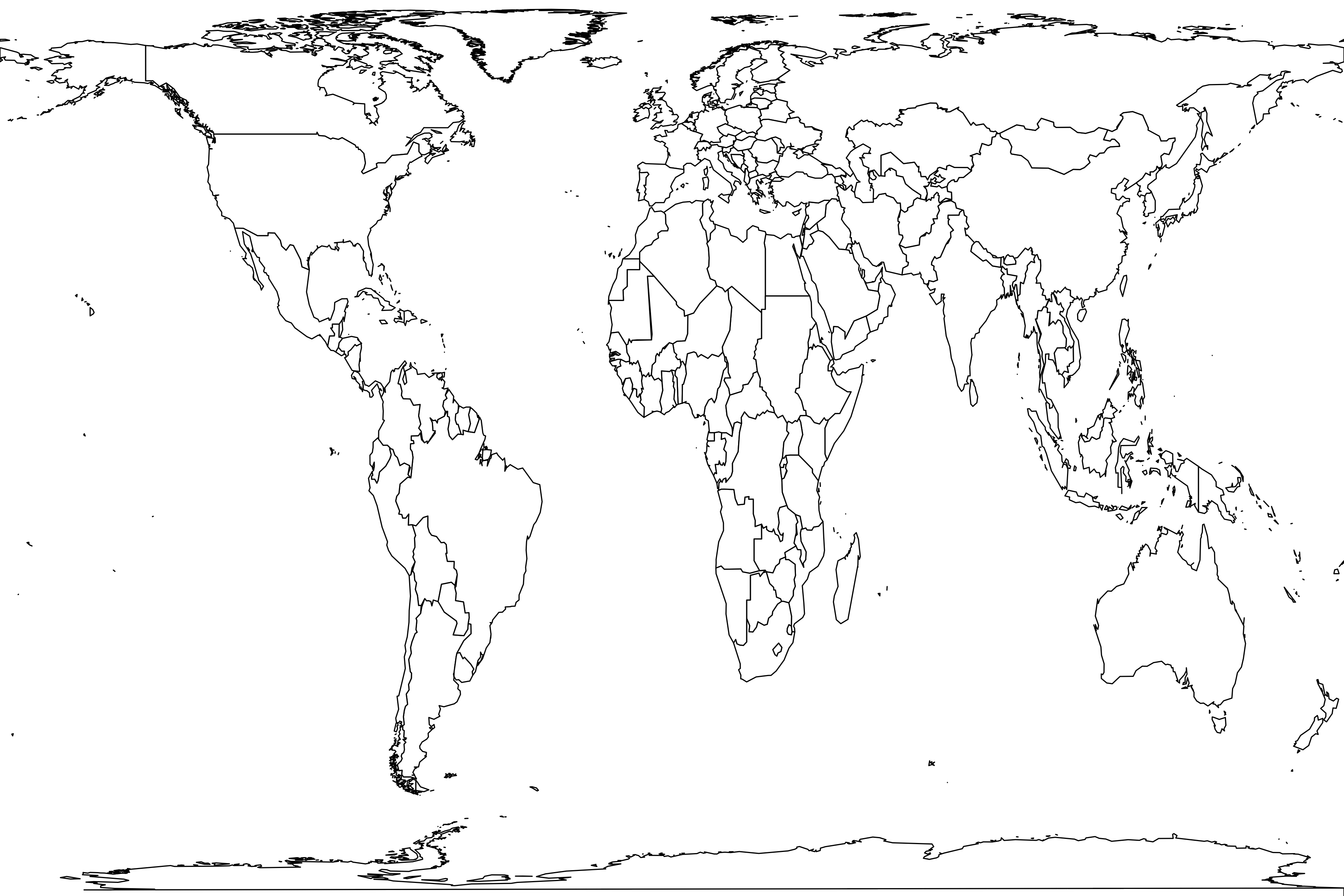
Geography comments: "The Yujiagou site is located in a small valley about 500 m northeast of Hutouliang Ridge, within the Nihewan Basin, an intermontane depression surrounded by the Xiong'er Mountains in the north and an extension of the Heng Mountains in the south, covering an area of roughly 1849 km2".
"Eight bone samples from layers 2–5 were radiocarbon dated. These dates could be divided into two ranges: layers 2 and 3a date from c. 10, 373 to 8406 cal. BP, and layers 3b, 4 and 5 date from ca. 16, 023 to 13, 855 cal. BP.
"Eight bone samples from layers 2–5 were radiocarbon dated. These dates could be divided into two ranges: layers 2 and 3a date from c. 10, 373 to 8406 cal. BP, and layers 3b, 4 and 5 date from ca. 16, 023 to 13, 855 cal. BP.
Environment
Lithology: siltstone
Taphonomic context: human accumulation
Archaeology: bone tools, ceramics, stone tools, other artifacts
Habitat comments: "Fieldwork conducted at Yujiagou revealed a stratigraphic section with a total depth of approximately 8 m, comprising seven archaeological layers numbered 1 to 7 from top to bottom".
"The sequence consists mainly of loess silt in layers 1–4; Layer 4 comprises a dense brown-gray loess silt with rust-like sediments".
"Numerous lithic artifacts, bone and antler tools, ceramics, and ornaments were recovered during the excavations. The lithic assemblage is indicative of a micro-blade industry characterized by the presence of wedged-shaped micro-blade cores".
"Humans were the primary agents of the accumulation and modification of the bone assemblages; non-human biotic agents had a low impact on the formational history of the faunal assemblages from Yujiagou".
"The sequence consists mainly of loess silt in layers 1–4; Layer 4 comprises a dense brown-gray loess silt with rust-like sediments".
"Numerous lithic artifacts, bone and antler tools, ceramics, and ornaments were recovered during the excavations. The lithic assemblage is indicative of a micro-blade industry characterized by the presence of wedged-shaped micro-blade cores".
"Humans were the primary agents of the accumulation and modification of the bone assemblages; non-human biotic agents had a low impact on the formational history of the faunal assemblages from Yujiagou".
Methods
Life forms: ungulates, birds
Sampling methods: quarry, screenwash
Sample size: 81 specimens
Years: 1995 - 1997
Net or trap nights: 0
Basal area status: not applicable
Sampling comments: "From 1995 to 1997, the Hebei Province Cultural Relics Bureau and Peking University conducted systematic excavations over a 120 m2 area. The investigators employed a meter-square grid and dug in 5 cm spits to maintain provenience control. Sediments were dry- and wet-screened to retrieve microfauna and smaller artifacts".
Metadata
Sample no: 3963
Contributor no: Benjamin Carter
Enterer: Benjamin Carter
Created: 2022-08-10 15:05:33
Modified: 2023-05-30 01:07:23
Abundance distribution
Each square represents a species. Square sizes are proportional to counts. Values are logged.
Statistics
5 species
1 singleton
total count 81
geometric series index: 7.3
Fisher's α: 1.178
geometric series k: 0.5233
Hurlbert's PIE: 0.5977
Shannon's H: 1.0851
Good's u: 0.9877
Register
| †Struthio anderssoni | 6 | |
| Procapra przewalskii (Przewalski's gazelle) | 31 | |
| Cervus elaphus (red deer) | 3 | |
| Equus ferus przewalskii (wild horse) | 40 | |
| "Equus przewalskii" | ||
| †Coelodonta antiquitatis (woolly rhinoceros) | 1 | |