
Kuumbi Cave (Trench 10, Phase 4)
Basic information
Sample name: Kuumbi Cave (Trench 10, Phase 4)
Reference: M. E. Prendergast, H. Rouby, P. Punnwong, R. Marchant, A. Crowther, N. Kourampas, C. Shipton, M. Walsh, K. Lambeck, and N. L. Boivin. 2016. Continental island formation and the archaeology of defaunation on Zanzibar, eastern Africa. PloS One 11(2):e0149565- [ER 3773]
Geography
Country: Tanzania
State: Zanzibar
Coordinate: 6° 22' 40" S, 40° 33' 33" E
Latlng basis: stated in text
Time interval: Late Pleistocene
Section: 3773
Unit number: 4
Unit order: above to below
Ma: 0.016656
Age basis: radiocarbon (uncalibrated)
Geography comments: "Kuumbi Cave is located in Kusini District, in the Unguja South Region of Tanzania. It is located near the southeastern coast of Unguja Island, part of the semi-autonomous province of Zanzibar, c. 2.5 km from the present day shoreline".
"Charcoal from Phase 4 is dated to 16, 656 ± 56 BP (c. 20, 240 to 19, 880 cal. BP)".
"Charcoal from Phase 4 is dated to 16, 656 ± 56 BP (c. 20, 240 to 19, 880 cal. BP)".
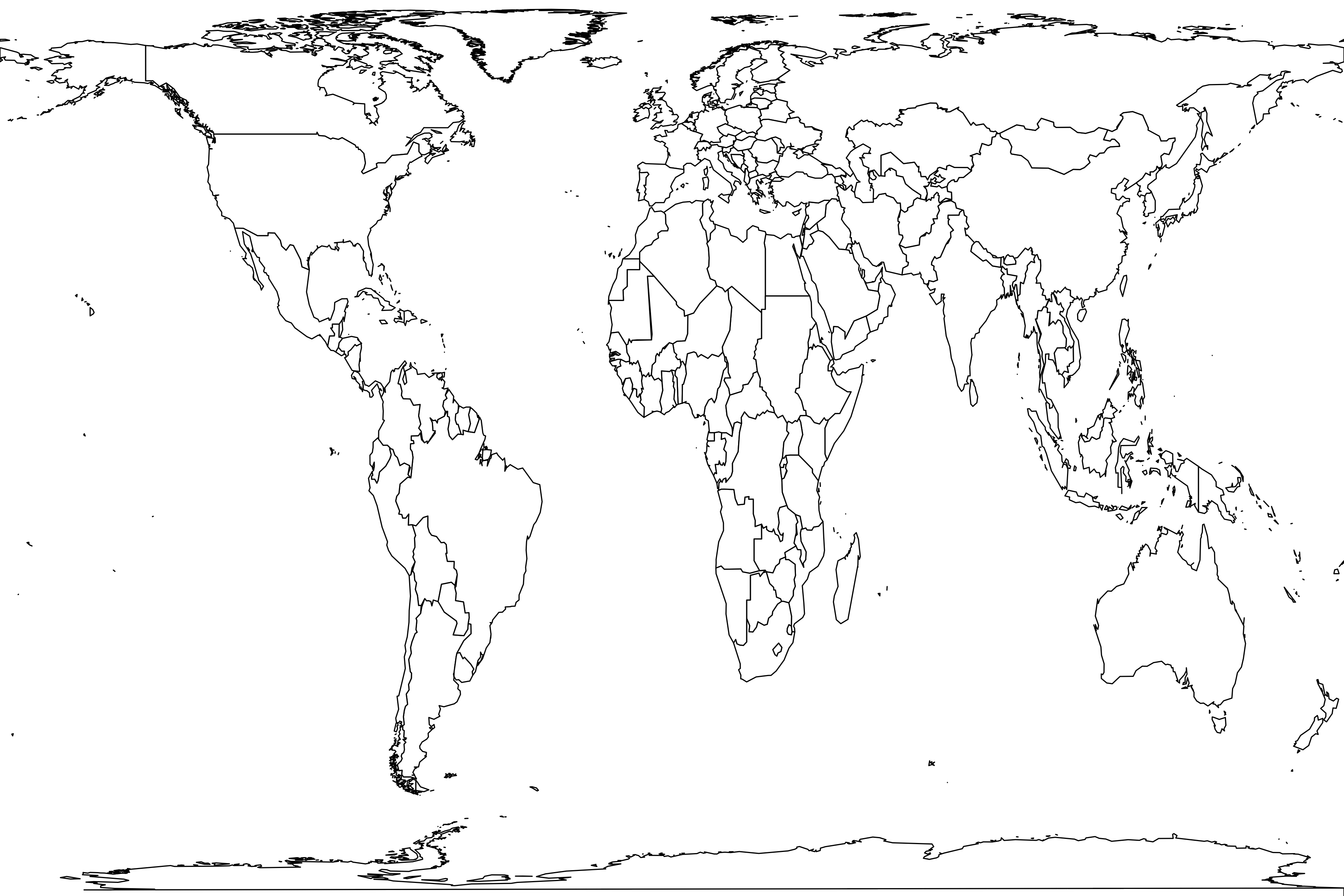
Environment
Lithology: limestone
Taphonomic context: cave
Habitat comments: "Kuumbi is a large solutional cave, one of several in a series of Pleistocene-era marine terraces on limestone. Five main phases were identfied in the main trench: Phase 1a contains large limestone lithics and Swahili ceramics; Phase 1b contains the same lithics and earlier Tana Tradition/Triangular Incised Ware ceramics; Phase 2 does not contain any ceramics but includes Later Stone Age (LSA) bone projectile points and other bone tools and a quartz microlithic industry; Phase 3 contains similar LSA quartz and bone technologies; Phase 4 does not bear any unambiguous evidence of human occupation, but it does contain faunal remains, a few of which are burned".
Methods
Life forms: bats, carnivores, primates, rodents, ungulates, other large mammals
Excluded forms: fishes, clams, snails
Sampling methods: quarry, screenwash
Sample size: 65 specimens
Years: 2012
Net or trap nights: 0
Basal area status: not applicable
Sampling comments: "Four trenches were excavated in Kuumbi Cave during the Sealinks field season in 2012: Trench 10 was located in the upper main chamber. All deposits from Trench 10 were dry-sieved on site using 3 mm mesh, except for sub-samples of between 7–60L per context; these were bagged separately and processed by flotation to recover archaeobotanical remains and subsequently wet-sieved through 1mm mesh. The wet- and dry-sieved faunal samples (excluding land and marine molluscs and fish) were included in the analysis, for a total of 17.6 kg of tetrapod faunal remains".
Metadata
Sample no: 4056
Contributor no: Benjamin Carter
Enterer: Benjamin Carter
Created: 2023-02-16 11:49:42
Modified: 2023-05-30 03:42:24
Abundance distribution
Each square represents a species. Square sizes are proportional to counts. Values are logged.
Statistics
12 species
3 singletons
total count 65
geometric series index: 23.0
Fisher's α: 4.325
geometric series k: 0.7463
Hurlbert's PIE: 0.7796
Shannon's H: 1.9081
Good's u: 0.9557
Register
| Nesotragus moschatus (suni) | 2 | 3.7 kg |
| Philantomba monticola (blue duiker) | 4 | |
| "Cephalophus monticola" | ||
| Redunca cf. redunca (Bohor reedbuck) | 1 | 44.0 kg |
| also 42 Bovidae indet. | ||
| Potamochoerus larvatus (bushpig) | 2 | 38.0 kg |
| also 1 Suidae indet. | ||
| Panthera pardus (leopard) | 5 | |
| Ichneumia cf. albicauda | 1 | 3.4 kg |
| Pteropodidae indet. | 14 | |
| Dendrohyrax validus (eastern tree hyrax) | 25 | |
| Equus quagga burchellii (plains zebra) | 2 | |
| cf. | ||
| Cercopithecidae indet. | 6 | |
| Paragalago zanzibaricus (Zanzibar bushbaby) | 2 | |
| "Galago zanzibaricus" | ||
| Cricetomys gambianus | 1 | 1.4 kg |
| also 17 Rodentia indet. | ||