
Diepkloof Rock Shelter (MSA - Post HP)
Basic information
Sample name: Diepkloof Rock Shelter (MSA - Post HP)
Reference: T. E. Steele and R. G. Klein. 2013. The Middle and Later Stone Age faunal remains from Diepkloof Rock Shelter, Western Cape, South Africa. Journal of Archaeological Science 40(9):3453-3462 [ER 3775]
Geography
Country: South Africa
State: Western Cape
Coordinate: 32° 23' 12" S, 18° 27' 10" E
Latlng basis: stated in text
Time interval: Late Pleistocene
Section: 3775
Unit number: 2
Unit order: above to below
Max Ma: 0.052
Min Ma: 0.046
Age basis: OSL
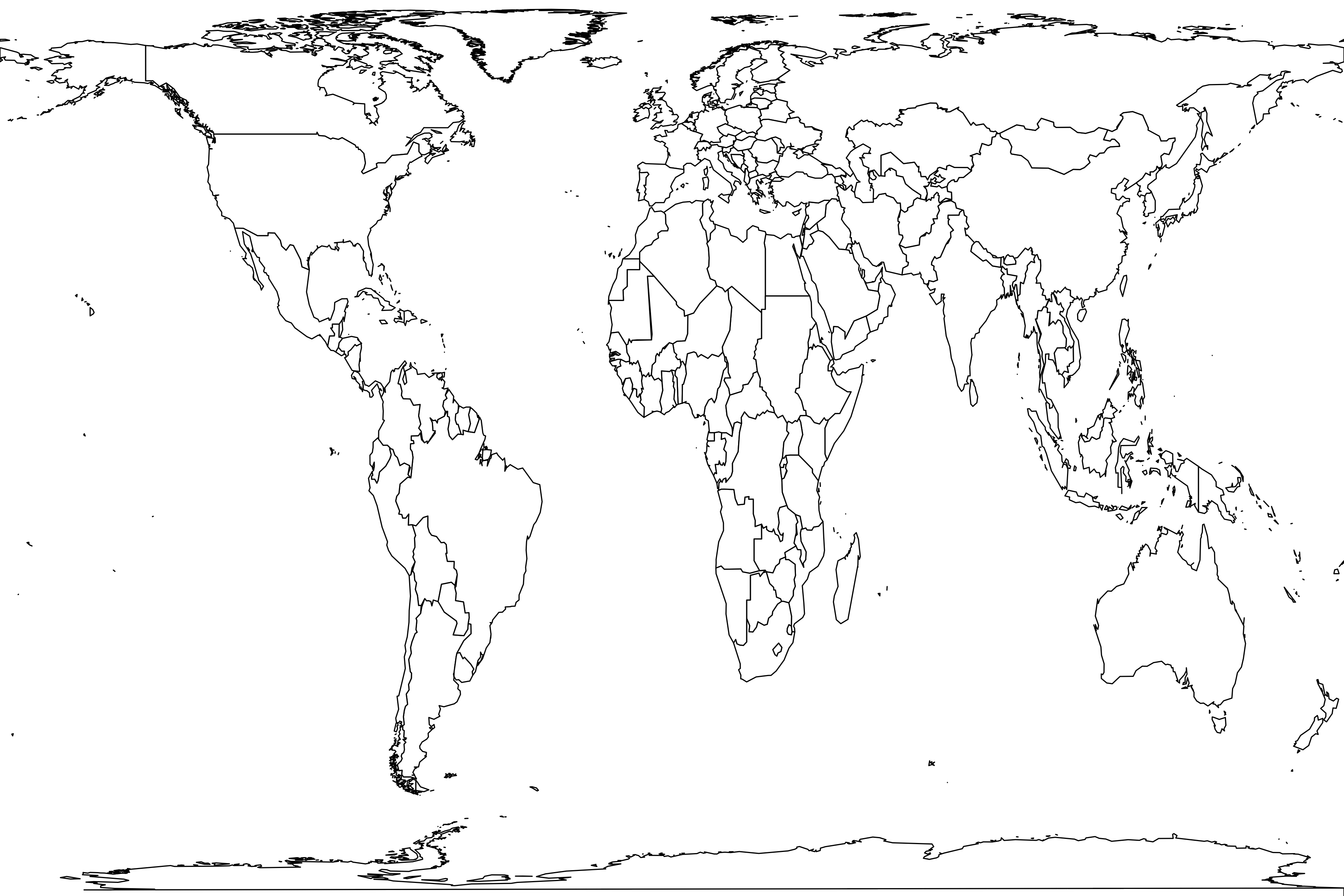
Geography comments: "Diepkloof Rock Shelter is located about 180 km north of Cape Town in the Western Cape Province of South Africa. It faces northeastwards atop an isolated outcrop of quartzitic sandstone, 120 m above the southern bank of the Verlorevlei River, which flows into the Atlantic Ocean about 14 km to the northwest".
"The Post-HP deposits have been OSL dated to between 52 ± 5 ka and around 46 ka BP".
"The Post-HP deposits have been OSL dated to between 52 ± 5 ka and around 46 ka BP".
Environment
Lithology: not described
Taphonomic context: bird accumulation, human accumulation, rock shelter
Archaeology: hearths, stone tools
Habitat comments: "The shelter floor measures 25 m across the mouth and 17–22 m from dripline to rear wall. It is largely surrounded by fallen boulders that provide about 200 sq m of protected space. The MSA deposits reach a depth of about 3.1 m and comprise approximately 160 named stratigraphic units (SUs) that suggest persistent utilization with minimal significant hiatuses. Bone, shell, and well-preserved charcoal occur more or less throughout. Differences in artifact [stone tool] typology and technology have been used to group the SUs into nine complexes". These include an uncharacterized Lower MSA deposit, the technologically distinct "MSA-Mike", "Pre-Still Bay Lynn", "Still Bay", and "MSA-Jack" deposits, three "Howiesons Poort" (HP) deposits (Early, Intermediate, Late), and a "Post-HP" deposit.
"Humans likely introduced the bones of most larger animals, while raptors probably introduced many bones from smaller species, especially hares, dune mole rats, and hyraxes. The low density of lithic material and micro-stratigraphic analysis of the deepest deposits supports a minimal role for humans in accumulating these materials".
"Humans likely introduced the bones of most larger animals, while raptors probably introduced many bones from smaller species, especially hares, dune mole rats, and hyraxes. The low density of lithic material and micro-stratigraphic analysis of the deepest deposits supports a minimal role for humans in accumulating these materials".
Methods
Life forms: carnivores, primates, rodents, ungulates, other large mammals, other small mammals
Excluded forms: birds, snakes, turtles, clams, snails
Sampling methods: quarry, screenwash
Sample size: 160 specimens
Years: 1973 -
Net or trap nights: 0
Basal area status: not applicable
Sampling comments: "The excavators divided the shelter surface into 1 × 1 m squares, most of which were further divided into quadrants. They excavated with small trowels and brushes and removed the deposit according to the natural stratigraphy. From 1998, finds with a dimension of >20 mm were assigned individual numbers and plotted in three dimensions. Smaller finds were recovered by square or quadrant from 5-mm mesh screens".
Metadata
Sample no: 4063
Contributor no: Benjamin Carter
Enterer: Benjamin Carter
Created: 2023-02-17 13:17:43
Modified: 2023-05-30 04:08:13
Abundance distribution
Each square represents a species. Square sizes are proportional to counts. Values are logged.
Statistics
22 species
5 singletons
total count 160
geometric series index: 37.0
Fisher's α: 6.908
geometric series k: 0.836
Hurlbert's PIE: 0.845
Shannon's H: 2.3775
Good's u: 0.9688
Register
| Atelerix frontalis | 3 | |
| "Erinaceus frontalis" | ||
| Leporidae indet. | 43 | |
| Bathyergus suillus | 7 | |
| Hystrix africaeaustralis | 3 | 15.0 kg |
| Homo sapiens (human) | 2 | 64.0 kg |
| Vulpes chama (Cape fox) | 1 | 2.7 kg |
| Herpestes pulverulentus (Cape grey mongoose) | 1 | |
| "Galerella pulverulenta" | ||
| Felis lybica (African wildcat) | 7 | 4.5 kg |
| "Felis silvestris lybica", also 7 Felinae indet. "Caracal and/or serval" | ||
| Panthera pardus (leopard) | 4 | |
| Hyaenidae indet. | 6 | |
| Procavia capensis (rock hyrax) | 41 | 2.8 kg |
| †Equus capensis (horse) | 10 | |
| also 26 Equus spp. | ||
| Rhinocerotidae indet. | 7 | |
| Hippopotamus amphibius (hippopotamus) | 1 | 1107.0 kg |
| Taurotragus oryx (common eland) | 4 | |
| †Hippotragus leucophaeus (bluebuck) | 3 | |
| Alcelaphinae indet. | 6 | |
| "wildebeest and/or hartebeest" | ||
| Redunca arundinum (southern reedbuck) | 3 | |
| Oreotragus oreotragus (klipspringer) | 3 | |
| Raphicerus campestris (steenbok) | 1 | 9.7 kg |
| also 13 Raphicerus sp. | ||
| Antidorcas sp. | 1 | |
| †Syncerus antiquus (bovid) | 3 | |
| "Pelorovis antiquus", also 278 Bovidae indet. | ||