
Boomplaas Cave (Member BP)
Basic information
Sample name: Boomplaas Cave (Member BP)
Reference: J. T. Faith. 2013. Taphonomic and paleoecological change in the large mammal sequence from Boomplaas Cave, western Cape, South Africa. Journal of Human Evolution 65(6):715-730 [ER 3779]
Geography
Country: South Africa
State: Western Cape
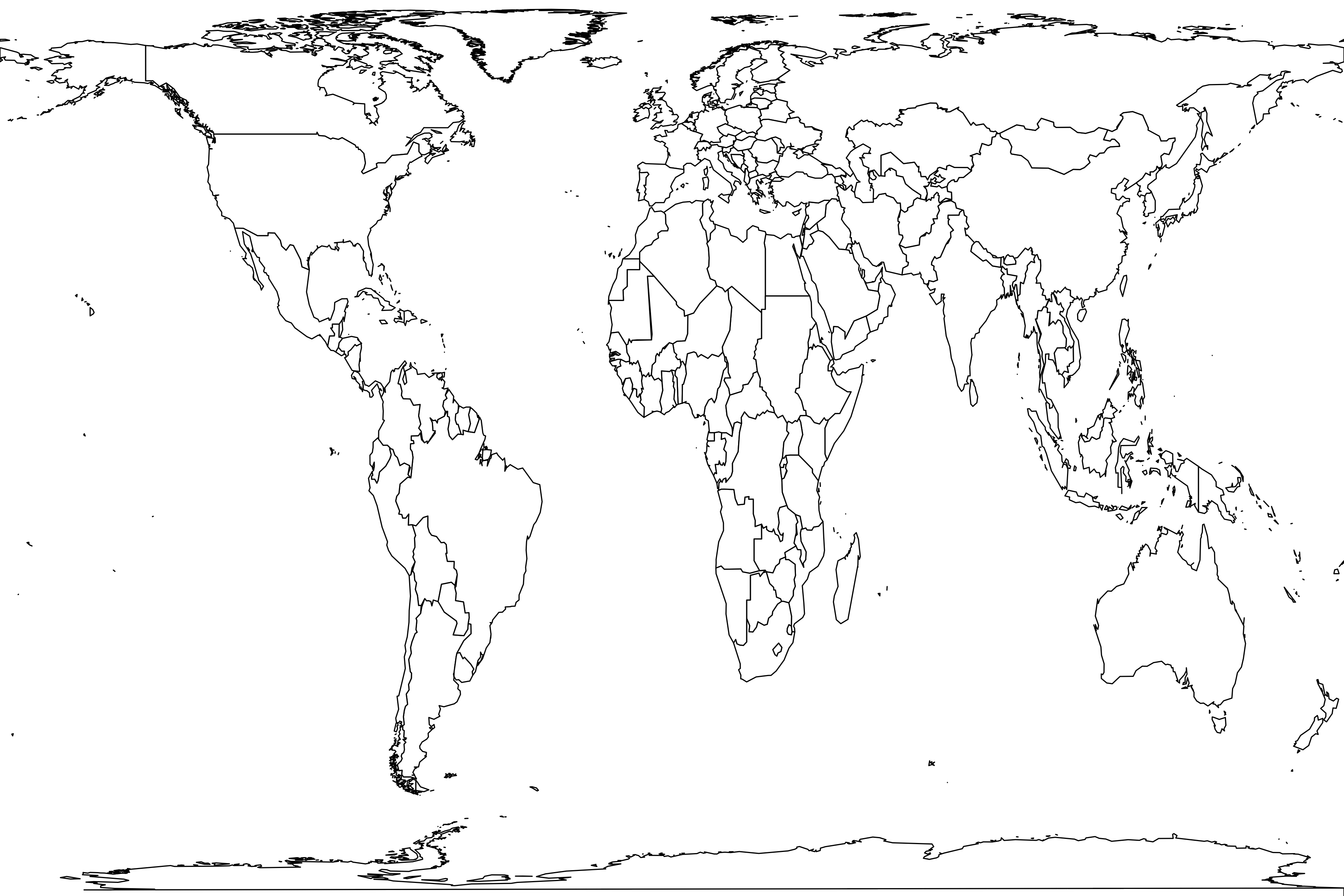
Coordinate: 33° 22' 14" S, 22° 10' 31" E
Latlng basis: stated in text
Time interval: Late Pleistocene
Section: 3779
Unit number: 9
Unit order: above to below
Max Ma: 0.03392
Min Ma: 0.0324
Age basis: radiocarbon (uncalibrated)
Geography comments: "Boomplaas Cave is located in the Cango Valley in the foothills of the Swartberg mountain range, north of Oudtshoorn, Eden District Municipality in the Western Cape Province, South Africa".
The BP member of the deposit has been radiocarbon dated to between 33, 920 ± 770 and 32, 400 ± 700 BP (40, 635-36, 065 cal. BP).
The BP member of the deposit has been radiocarbon dated to between 33, 920 ± 770 and 32, 400 ± 700 BP (40, 635-36, 065 cal. BP).
Environment
Lithology: not described
Taphonomic context: bird accumulation, carnivore accumulation, cave, human accumulation
Archaeology: stone tools
Habitat comments: "Boomplaas Cave contains a stratified sequence of Middle Stone Age (MSA) and Late Stone Age (LSA) deposits spanning the last 65, 000 years. People were the primary accumulators of the faunal remains in the LSA assemblages younger than ∼18, 000 years ago (CL to BLD). In the LSA and MSA deposits dating from 18, 000 to 50, 000 years ago (BOL to GWA), a combination of humans, carnivores, and raptors accumulated the faunal remains, while the lowermost units were accumulated by carnivores and raptors".
The lithic assemblage of the BOL and BP Members are made primarily of quartzite and include long flake blades with lateral retouch on the main flake surface.
The lithic assemblage of the BOL and BP Members are made primarily of quartzite and include long flake blades with lateral retouch on the main flake surface.
Methods
Life forms: carnivores, primates, rodents, ungulates, other large mammals, other small mammals
Sampling methods: quarry
Sample size: 141 specimens
Sampled by: H. J. Deacon
Years: 1974 - 1979
Net or trap nights: 0
Basal area status: not applicable
Sampling comments: "Excavations were conducted by H.J. Deacon from 1974 to 1979. In 2009 and 2010, taphonomic and taxonomic data were collected on thousands of previously unsorted specimens, in addition to those previously examined. All MSA and LSA units were examined with the exception of the uppermost pastoralist levels (member DGL)".
Metadata
Sample no: 4090
Contributor no: Benjamin Carter
Enterer: Benjamin Carter
Created: 2023-02-23 13:26:41
Modified: 2023-05-30 04:56:47
Abundance distribution
Each square represents a species. Square sizes are proportional to counts. Values are logged.
Statistics
18 species
3 singletons
total count 141
geometric series index: 28.1
Fisher's α: 5.477
geometric series k: 0.8004
Hurlbert's PIE: 0.8558
Shannon's H: 2.3539
Good's u: 0.9791
Register
| Lepus capensis | 1 | |
| Bunolagus monticularis | 16 | |
| also 8 Leporidae indet. | ||
| Papio ursinus (chacma baboon) | 6 | 20.0 kg |
| Caracal caracal (caracal) | 1 | |
| "Felis cf caracal" | ||
| Panthera pardus (leopard) | 1 | |
| Procavia capensis (rock hyrax) | 44 | 2.8 kg |
| Equus sp. | 12 | |
| zebra/quagga | ||
| Taurotragus oryx (common eland) | 2 | |
| also 2 Tragelaphini indet. | ||
| Hippotragus sp. | 2 | |
| Redunca fulvorufula (mountain reedbuck) | 2 | 29.0 kg |
| Alcelaphus buselaphus (hartebeest) | 2 | |
| Connochaetes cf. taurinus (blue wildebeest) | 6 | 202.0 kg |
| Connochaetes cf. gnou (black wildebeest) | 6 | |
| Damaliscus pygargus (bontebok) | 11 | |
| "Damaliscus dorcas", also 69 Alcelaphinae indet. | ||
| Caprinae indet. | 3 | |
| an unknown extinct species | ||
| Pelea capreolus (grey rhebok) | 13 | 16.0 kg |
| Oreotragus oreotragus (klipspringer) | 7 | |
| Raphicerus sp. | 6 | |
| also 2 Neotragini indet. | ||