
Zouhrah Cave (L 1)
Basic information
Sample name: Zouhrah Cave (L 1)
Sample aka: El Harhoura 1
Reference: H. Monchot and H. Aouraghe. 2009. Deciphering the taphonomic history of an Upper Paleolithic faunal assemblage from Zouhrah Cave/El Harhoura 1, Morocco. Quaternaire 20(2):239-253 [ER 3787]
Geography
Country: Morocco
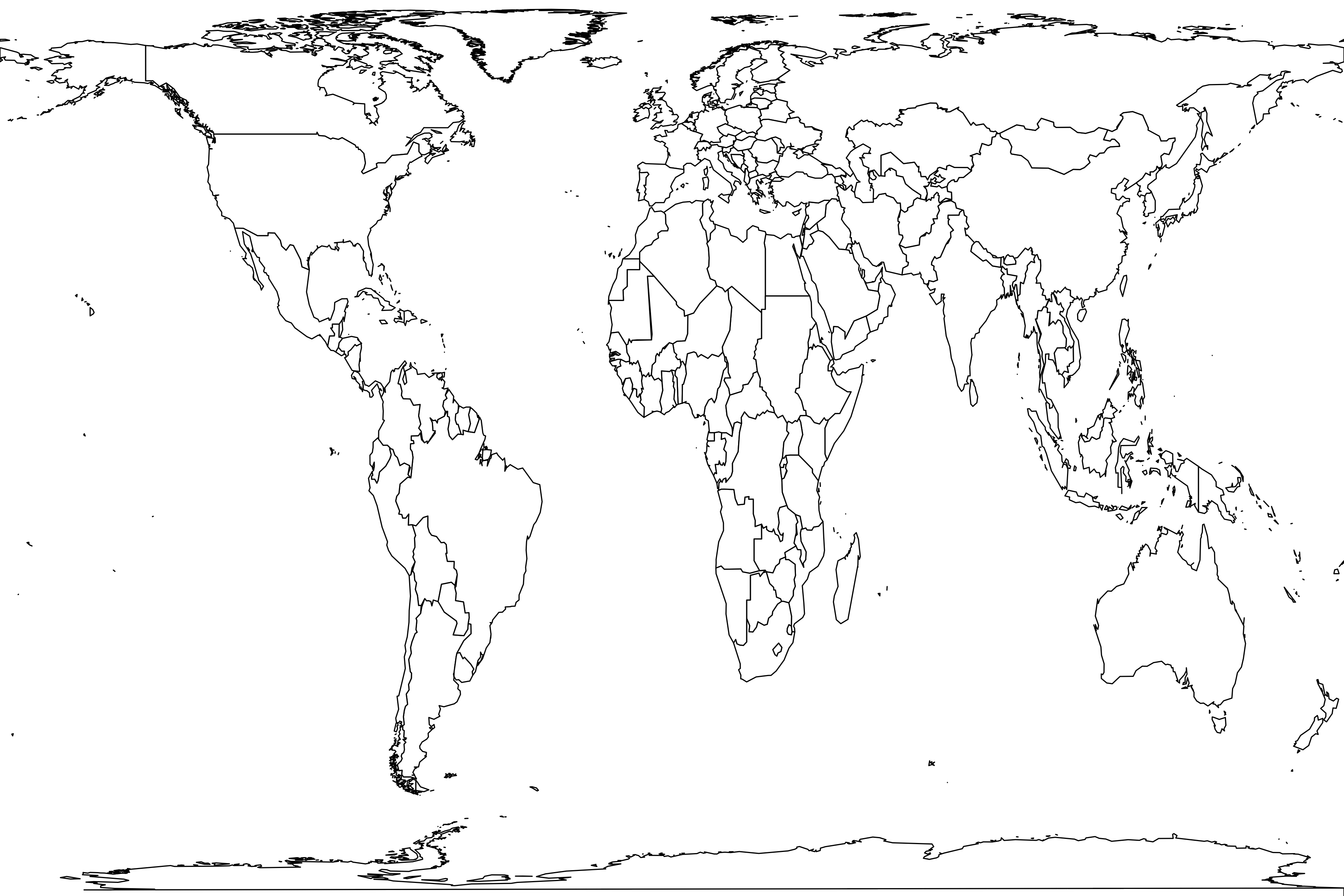
Coordinate: 33.94° N, -6.95° W
Latlng basis: estimated from map
Time interval: Late Pleistocene
Section: 3787
Unit number: 3
Unit order: below to above
Geography comments: shown on a map as ENE of central Temara on the coast
coordinate based on the beach location of Harhoura in Temara
age unclear, but Upper Paleolithic "Aterian" based on stone tools and underlies the dated middle Late Pleistocene level s2
coordinate based on the beach location of Harhoura in Temara
age unclear, but Upper Paleolithic "Aterian" based on stone tools and underlies the dated middle Late Pleistocene level s2
Environment
Lithology: sandstone
Taphonomic context: carnivore accumulation, cave, rodent accumulation
Archaeology: hearths, stone tools
Habitat comments: s1 and 1 are in "Sandy sediments, more or less clayey or silty"
based on a detailed taphonomic analysis, "The hyena would have been the main collector and modifier of bones at Zouhrah cave" but material was also accumulated by porcupines
levels s1, 1, and 2 include "a small lithic industry composed of pebble tools and complete or fractured pebbles"
there are "numerous burnt stones" in "levels 1 and 2" but "cutmarks or characteristic bone fractures" are "rare"
based on a detailed taphonomic analysis, "The hyena would have been the main collector and modifier of bones at Zouhrah cave" but material was also accumulated by porcupines
levels s1, 1, and 2 include "a small lithic industry composed of pebble tools and complete or fractured pebbles"
there are "numerous burnt stones" in "levels 1 and 2" but "cutmarks or characteristic bone fractures" are "rare"
Methods
Life forms: carnivores, rodents, ungulates, other small mammals, birds, crustaceans
Sampling methods: quarry
Sample size: 1563 specimens
Sampled by: A. Debénath
Years: 1976
Net or trap nights: 0
Basal area status: not applicable
Sampling comments: "discovered during residential construction work in 1976 and ... excavated by A. Debénath"
numerous amphibians, reptiles, birds, lagomorphs, mollusks, and rodents are described from somewhere in the section
reptile, amphibian, and "mollusc" specimens are listed in the table at this level
numerous amphibians, reptiles, birds, lagomorphs, mollusks, and rodents are described from somewhere in the section
reptile, amphibian, and "mollusc" specimens are listed in the table at this level
Metadata
Sample no: 4110
Contributor no: John Alroy
Enterer: John Alroy
Created: 2023-02-24 14:06:34
Modified: 2023-05-30 05:09:02
Abundance distribution
Each square represents a species. Square sizes are proportional to counts. Values are logged.
Statistics
24 species
1 singleton
total count 1563
geometric series index: 28.2
Fisher's α: 4.024
geometric series k: 0.7655
Hurlbert's PIE: 0.6276
Shannon's H: 1.7317
Good's u: 0.9994
Register
| Canis aureus (golden jackal) | 56 | 9.9 kg |
| Vulpes vulpes (red fox) | 56 | |
| Crocuta crocuta (spotted hyena) | 2 | 66.0 kg |
| Panthera pardus (leopard) | 11 | |
| Panthera leo (lion) | 3 | 147.0 kg |
| Felis lybica (African wildcat) | 19 | 4.5 kg |
| Felis margarita (sand cat) | 5 | |
| Ictonyx libycus (Saharan striped polecat) | 9 | |
| "Ictonyx libyca" | ||
| †Equus algericus (horse) | 14 | |
| †Equus mauritanicus (horse) | 17 | |
| Equus africanus (African wild ass) | 3 | |
| compared to "Equus asinus", but not domesticated | ||
| Elephantidae indet. | 1 | |
| "elephant" | ||
| Sus scrofa (pig) | 13 | |
| Phacochoerus africanus (common warthog) | 4 | 82.0 kg |
| †Bos primigenius (aurochs) | 25 | |
| †Syncerus antiquus (bovid) | 4 | |
| "Pelorovis antiquus" | ||
| Antilopini indet. | 934 | |
| Alcelaphini indet. | 85 | |
| Hippotragini indet. | 38 | |
| Tragelaphini indet. | 23 | |
| Hystrix cristata | 108 | 12.0 kg |
| Lepus capensis | 73 | |
| Struthio camelus | 13 | 111.0 kg |
| Carcinus sp. | 47 | |