
Red Basin (UOloc 2495)
Basic information
Sample name: Red Basin (UOloc 2495)
Reference: J. A. Shotwell. 1968. Miocene mammals of southeast Oregon. Bulletin of the Museum of Natural History, University of Oregon 14:1-67 [ER 3992]
Geography
Country: United States
State: Oregon
County: Malheur
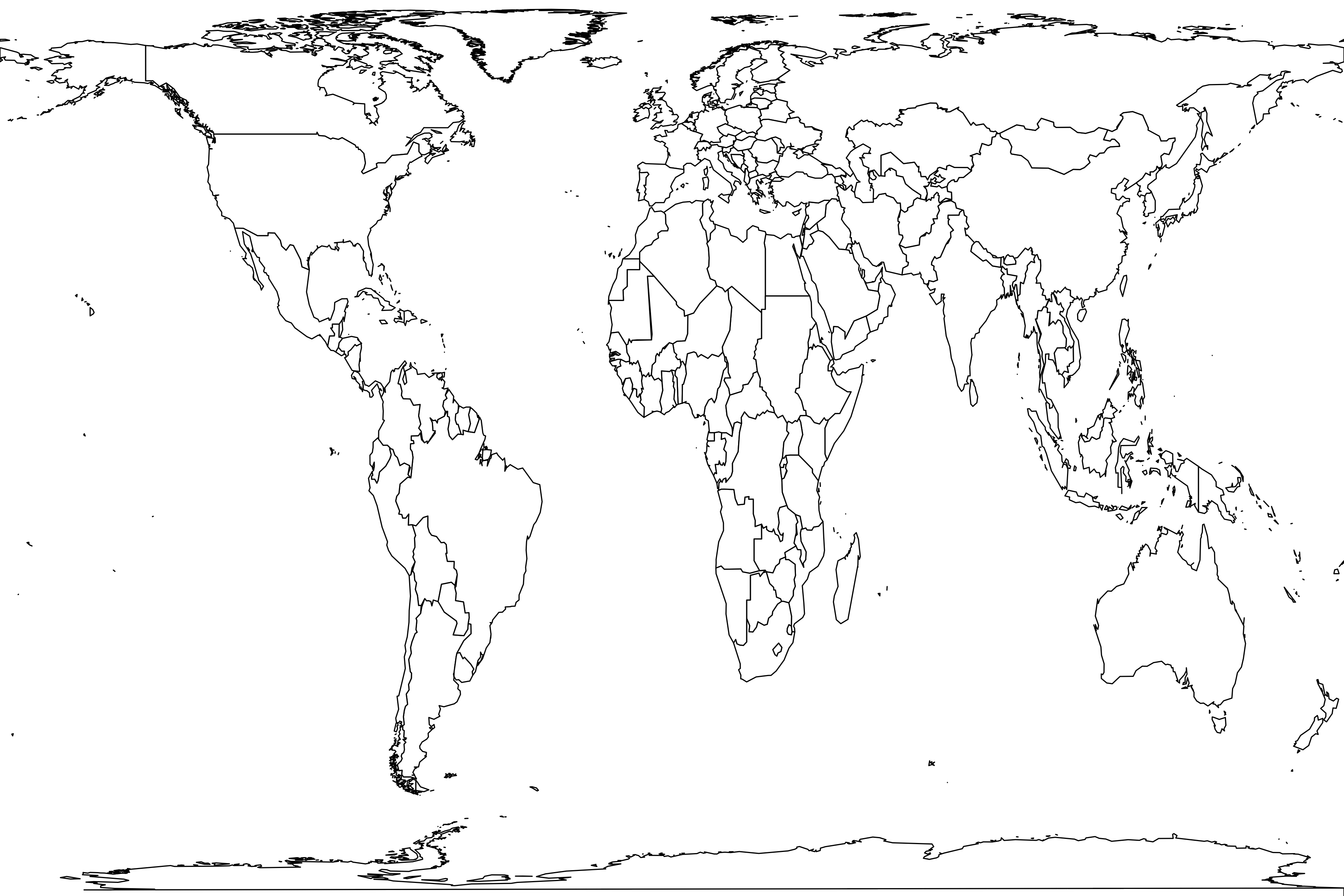
Coordinate: 44° 37' N, 118° 47' W
Latlng basis: estimated from map
Formation: Butte Creek Volcanic Sandstone
Time interval: Middle Miocene
Ma: 15.5
Age basis: K-Ar
Geography comments: just above a "dry wash in the northern half of Red Basin"
coordinate based on the map in Fig. 8
Evernden et al. (1964) provide a K-Ar date on sanidine of 15.0 Ma for the "Payette Fm., Skull Spring Fauna" (meaning the Butte Creek Volcanic Sandstone) and Evernden and James (1964) a date of 15.1 Ma for a "Red Ridge Basin" sample collected by Shotwell
based on the critical table of Dalrymple (1992), the 15.0 Ma date should be recalibrated as 15.40 Ma and the 15.1 Ma date as 15.50 Ma
the fauna is clearly early Barstovian and therefore Langhian, within the Middle Miocene
coordinate based on the map in Fig. 8
Evernden et al. (1964) provide a K-Ar date on sanidine of 15.0 Ma for the "Payette Fm., Skull Spring Fauna" (meaning the Butte Creek Volcanic Sandstone) and Evernden and James (1964) a date of 15.1 Ma for a "Red Ridge Basin" sample collected by Shotwell
based on the critical table of Dalrymple (1992), the 15.0 Ma date should be recalibrated as 15.40 Ma and the 15.1 Ma date as 15.50 Ma
the fauna is clearly early Barstovian and therefore Langhian, within the Middle Miocene
Environment
Lithology: sandstone
Habitat comments: the "unweathered sediment" was "well consolidated"
assumed to be sandstone based on the stratigraphic unit
assumed to be sandstone based on the stratigraphic unit
Methods
Life forms: carnivores, rodents, ungulates, other small mammals
Sampling methods: quarry
Sample size: 256 specimens
Years: 1961
Net or trap nights: 0
Basal area status: not applicable
Sampling comments: the site was excavated and sediment was screened
Metadata
Sample no: 4408
Contributor no: John Alroy
Enterer: John Alroy
Modifier no: John Alroy
Created: 2024-10-22 11:53:04
Modified: 2025-01-06 02:26:10
Abundance distribution
Each square represents a species. Square sizes are proportional to counts. Values are logged.
Statistics
28 species
10 singletons
total count 256
geometric series index: 54.6
Fisher's α: 8.011
geometric series k: 0.854
Hurlbert's PIE: 0.8668
Shannon's H: 2.4868
Good's u: 0.961
Register
| Lantanotherium sp. | 1 | |
| Mystipterus cf. pacificus | 1 | |
| "Mystipterus pacificus": see Hutchison 1968 | ||
| †Scalopoides cf. ripafodiator | 71 | |
| "Scalopoides ripofodiator": see Hutchison 1968 | ||
| Scapanoscapter simplicidens | 15 | |
| Hutchison 1968 | ||
| Scalopini indet. A | 4 | |
| Achlyoscapter longirostris | 1 | |
| Hutchison 1968 | ||
| Paradomnina relictus | 10 | |
| Hutchinson 1966: type | ||
| Pseudotrimylus sp. | 2 | |
| "Heterosorex sp.": see Hutchinson 1966 | ||
| †Alluvisorex arcadentes | 1 | |
| Hutchinson 1966 | ||
| Limnoecus sp. | 1 | |
| Hutchinson 1966 | ||
| †Protospermophilus malheurensis | 15 | |
| †Spermophilus tephrus | 38 | |
| Sciuridae indet. | 1 | |
| "Eutamias sp.": probably Neotamias | ||
| Petauristodon sp. | 5 | |
| "Sciuropterus sp." | ||
| †Eucastor typicus | 7 | |
| "Monosaulax typicus": type | ||
| †Pseudotheridomys pagei | 1 | |
| see Shotwell 1967b | ||
| †Balantiomys oregonensis | 15 | |
| "Peridiomys oregonensis": minimum count, other molars may exist; see Shotwell 1967b | ||
| †Tephrocyon rurestris (bone-crushing dog) | 10 | |
| "Tomarctus rurestris": at least five specimens; also includes at least five specimens of "T. kelloggi", see Wang et al. 1999 | ||
| †Amphicyon cf. frendens (bear-dog) | 2 | |
| Mustelidae indet. | 1 | |
| "Brachypsalis sp." | ||
| Pseudaelurus sp. | 3 | |
| †Hypohippus cf. osborni | 3 | |
| †Acritohippus isonesus | 34 | |
| "Merychippus seversus": this is following the diagnosis of Downs 1956, which applies to A. isonesus according to Hulbert and MacFadden 1991; i.d. seems OK based on large size of specimen, general agreement with type as illustrated by Osborn 1918; JA pers. obs. 5.6.94; count is based on 30 upper teeth and four illustrated jaws only, lowers are not enumerated | ||
| †Merychippus cf. brevidontus (horse) | 1 | |
| Aphelops sp. | 2 | |
| said to be both from UO 2493 and from UOloc 2495, but the former is almost certainly a typo | ||
| †Ticholeptus zygomaticus (oreodont) | 1 | |
| "T. cf. obliquidens" | ||
| †Dromomeryx borealis | 6 | |
| count is a minimum and represents illustrated or specifically discussed and numbered specimens | ||
| †Bouromeryx cf. americanus | 4 | |
| "Rakomeryx cf. americanus": count is of measured specimens only | ||