
Shoreline
Basic information
Sample name: Shoreline
Sample aka: Big Toad Beach (UNSM Kh-112); Grasz Cat (UNSM Kh-102); Lonergan Creek (UNSM Kh-107); North Shore (UNSM Kh-106)
Reference: M. B. Leite. 1990. Stratigraphy and mammalian paleontology of the Ash Hollow Formation (Upper Miocene) on the north shore of Lake McConaughy, Keith County, Nebraska. University of Wyoming Contributions to Geology 28(1):1-29 [ER 4181]
Geography
Country: United States
State: Nebraska
County: Keith
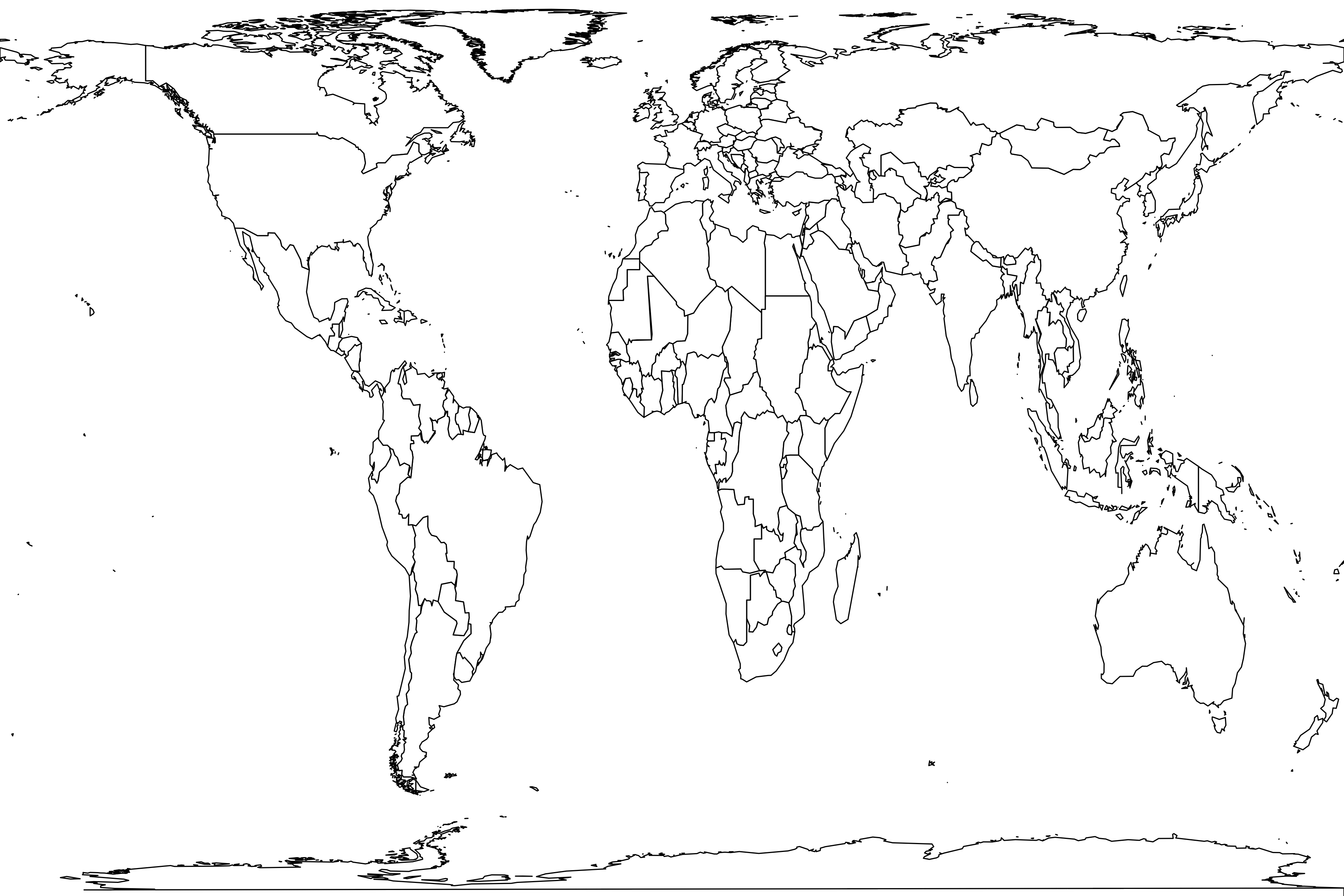
Coordinate: 41.18° N, -101.8° W
Latlng basis: estimated from map
Scale: local area
Formation: Ash Hollow
Time interval: Late Miocene
Zone: Clarendonian
Section: Lake McConaughy
Unit number: 1
Unit order: below to above
Ma: 10.95
Age basis: AEO
Geography comments: most of the fossils are from Lonergan Creek and North Shore, which are about 1 km apart on the north shore of Lake McConaughy with a midpoint in the W 1/2 of the SW 1/4 of Sec. 16, T. 14 N., R. 39 W.
Big Toad Beach and Grasz Cat are respectively three and four sections to the west
said to be late Clarendonian
there is a fission track date on zircon of 10.42 ± 2.5 Ma for the Lonergan Creek Ash overlying the Lonergan Creek site, but its error is too large to be useful
AEO date averages values for Lonergan Creek and North Shore
Big Toad Beach and Grasz Cat are respectively three and four sections to the west
said to be late Clarendonian
there is a fission track date on zircon of 10.42 ± 2.5 Ma for the Lonergan Creek Ash overlying the Lonergan Creek site, but its error is too large to be useful
AEO date averages values for Lonergan Creek and North Shore
Environment
Lithology: sandstone
Taphonomic context: fluvial deposit
Habitat comments: "The conglomeratic sands are the most fossiliferous units at the shoreline localities" and "occur as lenses within channels" falling in a general "braided stream depositional environment"
"Instances of associated portions of individual mammals were noted only twice" and the "evidence of fluvial transportation" suggests a "moderately high-energy depositional environment"
"Instances of associated portions of individual mammals were noted only twice" and the "evidence of fluvial transportation" suggests a "moderately high-energy depositional environment"
Methods
Life forms: carnivores, rodents, ungulates, other small mammals
Sampling methods: screenwash
Sample size: 244 specimens
Net or trap nights: 0
kg screened: 10000
Basal area status: not applicable
Sampling comments: 10, 000 kg were screened at Kh-106 and only five small mammal specimens were recovered
Big Toad Beach was "discovered by the writer during the summer of 1985" but the other three point localities were "discovered during the early 1970s by UNSM paleontologists K. A. Richey and R. G. Corner"
Big Toad Beach was "discovered by the writer during the summer of 1985" but the other three point localities were "discovered during the early 1970s by UNSM paleontologists K. A. Richey and R. G. Corner"
Metadata
Sample no: 4643
Contributor no: John Alroy
Enterer: John Alroy
Created: 2025-01-07 10:24:36
Modified: 2025-01-07 10:24:36
Abundance distribution
Each square represents a species. Square sizes are proportional to counts. Values are logged.
Statistics
27 species
11 singletons
total count 244
geometric series index: 58.7
Fisher's α: 7.76
geometric series k: 0.8466
Hurlbert's PIE: 0.8469
Shannon's H: 2.356
Good's u: 0.9551
Register
| Talpidae indet. | 1 | |
| Leporidae indet. | 1 | |
| Mylagaulidae indet. | 1 | |
| Eucastor sp. | 2 | |
| †Epicyon haydeni (bone-crushing dog) | 12 | |
| see also Wang et al. (1999) | ||
| †Epicyon cf. saevus (bone-crushing dog) | 3 | |
| see also Wang et al. (1999) | ||
| Aelurodon sp. | 6 | |
| ? | ||
| †Barbourofelis morrisi (nimravid) | 1 | |
| †Nimravides galiani (saber-toothed cat) | 3 | |
| Amebelodon barbouri = †Serbelodon cf. barbourensis (shovel tusker) | 19 | |
| Mammutidae indet. | 1 | |
| Aphelops sp. | 10 | |
| †Teleoceras cf. major (rhinoceros) | 34 | |
| Rhinocerotidae indet. | 1 | |
| large: one cranial fragment | ||
| Anchitheriinae indet. | 2 | |
| Equinae indet. | 1 | |
| "Merychippus sp.": compared to the unnamed Big Spring Canyon species | ||
| †Cormohipparion occidentale (horse) | 76 | |
| †Pseudhipparion cf. gratum (horse) | 8 | |
| †Pliohippus pernix (horse) | 17 | |
| Calippus (Grammohippus) sp. | 2 | |
| cf. | ||
| Calippus sp. | 1 | |
| cf.: small | ||
| †Ustatochoerus major (oreodont) | 1 | |
| Miolabis sp. | 1 | |
| Procamelus sp. | 4 | |
| cf. | ||
| †Megatylopus cf. primaevus | 33 | |
| †Cranioceras cf. unicornis | 1 | |
| Plioceros sp. | 2 | |
| cf. | ||